
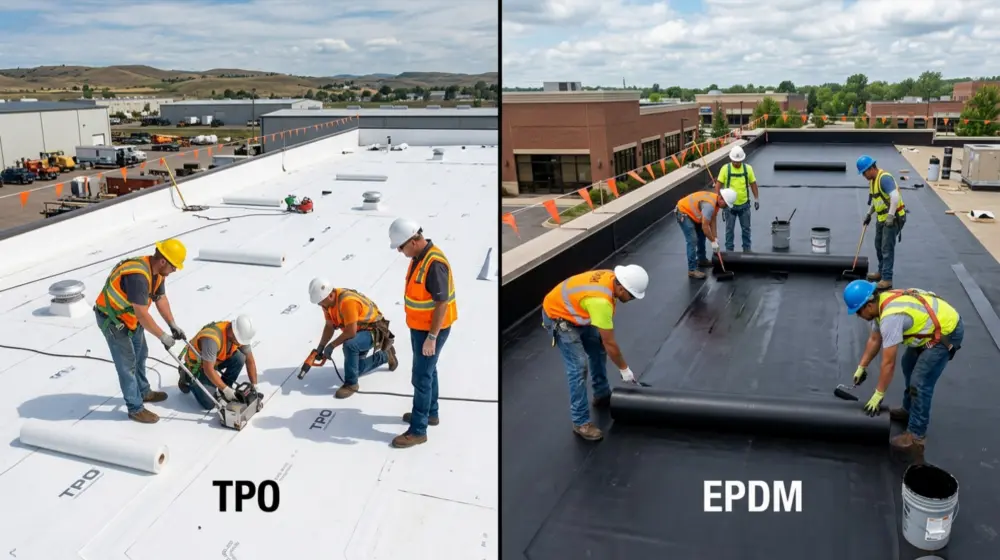
TPO roofing vs EPDM is the first decision most Connecticut business owners face when planning a new commercial roof. Both single-ply membranes protect flat and low-slope buildings from wind, rain, and snow, but they perform differently across seasons. Elite Roofing works with property managers across Greater Connecticut who need a roof built for local weather. Choosing the wrong material can mean higher bills and costly repairs. This guide breaks down the real differences between TPO and EPDM. Use it to select the right roof for your commercial building.
Contents
What is TPO roofing?
More Connecticut businesses are turning to single-ply membranes for their durability. TPO is one option, made from a blend of polypropylene and ethylene-propylene rubber. It comes in wide, white sheets that bounce sunlight away and keep cooling costs down. Elite Roofing installs it with heat-welded seams, which hold up better than glued seams. With proper care, it typically lasts 15 to 25 years. Many business owners like the lower upfront cost and the energy savings over time. That method also resists leaks better than adhesive-based seams. It holds up well in offices, retail centers, and warehouses. 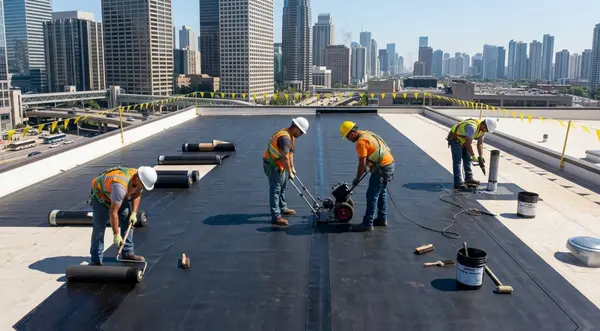
What is EPDM roofing?
EPDM stands for ethylene propylene diene monomer, a synthetic rubber membrane used since the 1960s. Most EPDM roofs are black, though white versions exist. The National Roofing Contractors Association classifies EPDM as a thermoset membrane, distinct from thermoplastic TPO. EPDM often lasts longer, sometimes 30 years or more. Its flexibility helps it handle Connecticut’s freeze-thaw cycles without cracking. EPDM also costs less upfront than most other single-ply systems. Repairs are simpler, using seam tape or adhesive patches.
EPDM vs TPO Roofing: Key Differences
Building managers should weigh the length of the cooling season against heating needs, and the decision often comes down to which season matters most for the property.
| Factor | TPO | EPDM |
| Energy Efficiency | White TPO reflects sunlight, lowering cooling costs in warmer months. Energy Star-rated TPO membranes may qualify for utility rebate programs. | Black EPDM absorbs heat, which can help lower heating bills in winter. White EPDM exists but costs more and reflects less than TPO. |
| Durability and Lifespan | TPO roofing is newer, typically lasting 15 to 25 years depending on membrane thickness. Heat-welded seams resist water intrusion well. Thicker membranes resist punctures and UV damage better. | Has a longer proven track record, with some roofs lasting 30 to 40 years. Handles impact from hail and debris well due to its rubber composition. |
| Cost and Installation | Installation requires specialized heat-welding equipment and trained crews, which can raise labor costs. TPO Commercial roofing projects often finish faster due to wide sheet widths. | Generally costs less per square foot, especially in ballasted installations. Large sheet widths also reduce seams on bigger roofs. |
Both materials need routine inspections to reach their full expected lifespan. Elite Roofing recommends checking seams and flashing twice a year, and getting a detailed quote before comparing total project costs.
Best Roofing Choice for Connecticut Commercial Buildings
Connecticut’s hot summers and snowy winters are tough on flat roofs. EPDM flexes well, so it holds up through winter freeze-thaw cycles. TPO roofing bounces heat away and helps cut cooling costs on muggy summer days. It’s worth checking a building’s commercial roofing history and past performance. Buildings with heavy HVAC loads or high foot traffic often do better with TPO. Bigger, simpler roofs often fit EPDM better, since it’s cheaper. A trusted local contractor can assess your building and tell you what it needs.
Choosing the Right Commercial Roof for Your Connecticut Building
Both TPO and EPDM protect commercial buildings well when installed and maintained correctly. The right choice between TPO roofing vs EPDM depends on your building’s climate exposure, budget, and expected lifespan. Elite Roofing has installed both systems across Cheshire, Hartford, New Haven, Litchfield, Torrington, and the wider Greater Connecticut area. Our team explains the tradeoffs clearly. Questions about your current roof or a new installation? Call us at (203) 439-7718 or visit our contact page to schedule a free assessment.
Frequently Asked Questions
How Long Does a TPO Roof Last Compared to EPDM?
Most TPO roofs run 15 to 25 years, depending on membrane thickness and installation quality. Thicker membranes and solid heat-welded seams can push that toward 30 years. In a TPO vs EPDM commercial roofing comparison, EPDM often outlasts TPO, sometimes reaching 30 to 40 years. Being rubber-based, EPDM resists cracking through Connecticut’s brutal freeze-thaw swings. Either way, regular twice-a-year inspections help you get the most life out of the roof. Elite Roofing checks roofs each spring and fall to catch small problems before they grow.
Which Is Cheaper, TPO or EPDM Roof?
EPDM’s usually cheaper per square foot, especially if it’s ballasted. It goes up a bit quicker, which trims labor costs on simple, low-slope jobs. Really, the cheapest pick depends on your roof’s size and how long you need it to last. TPO roofing material costs a bit more upfront, but that reflective surface pays you back in cooling savings. Labor’s the wildcard, since TPO needs heat-welding gear and a trained crew.
Can TPO or EPDM Be Installed Over an Existing Roof?
Yes, both of them can often be installed over an existing roof if it’s in good condition. A recovery system saves on tear-off costs and disposal fees. An inspection must confirm the old roof has no trapped moisture or damage. Local codes and warranties may limit how many layers are allowed. Elite Roofing evaluates your current maintenance and repair needs before recommending a recovery or full replacement. This keeps your project on budget without risking future leaks.